How casinos shape cultural perceptions around risk and reward
The Origins of Gambling and Its Cultural Significance
The history of gambling can be traced back to ancient civilizations, where games of chance were integrated into societal rituals and practices. From the casting of lots in biblical texts to the dice games of the Romans, these early forms of gambling shaped community gatherings and social bonding. Over time, gambling transitioned from a communal activity to a more individual pursuit, laying the groundwork for modern casinos. Notably, if you’re interested in exploring more about this thrilling world, check out aviamasters2-au.com.

Casinos emerged as formal establishments in the 17th century, beginning in Italy and spreading across Europe. As these venues grew in popularity, they began to influence cultural perceptions around risk and reward, embedding the idea that fortune could be both volatile and rewarding. In many cultures, the casino became a symbol of hope, representing the allure of quick wealth and the thrill of taking calculated risks.
The Psychology of Risk in Casino Environments
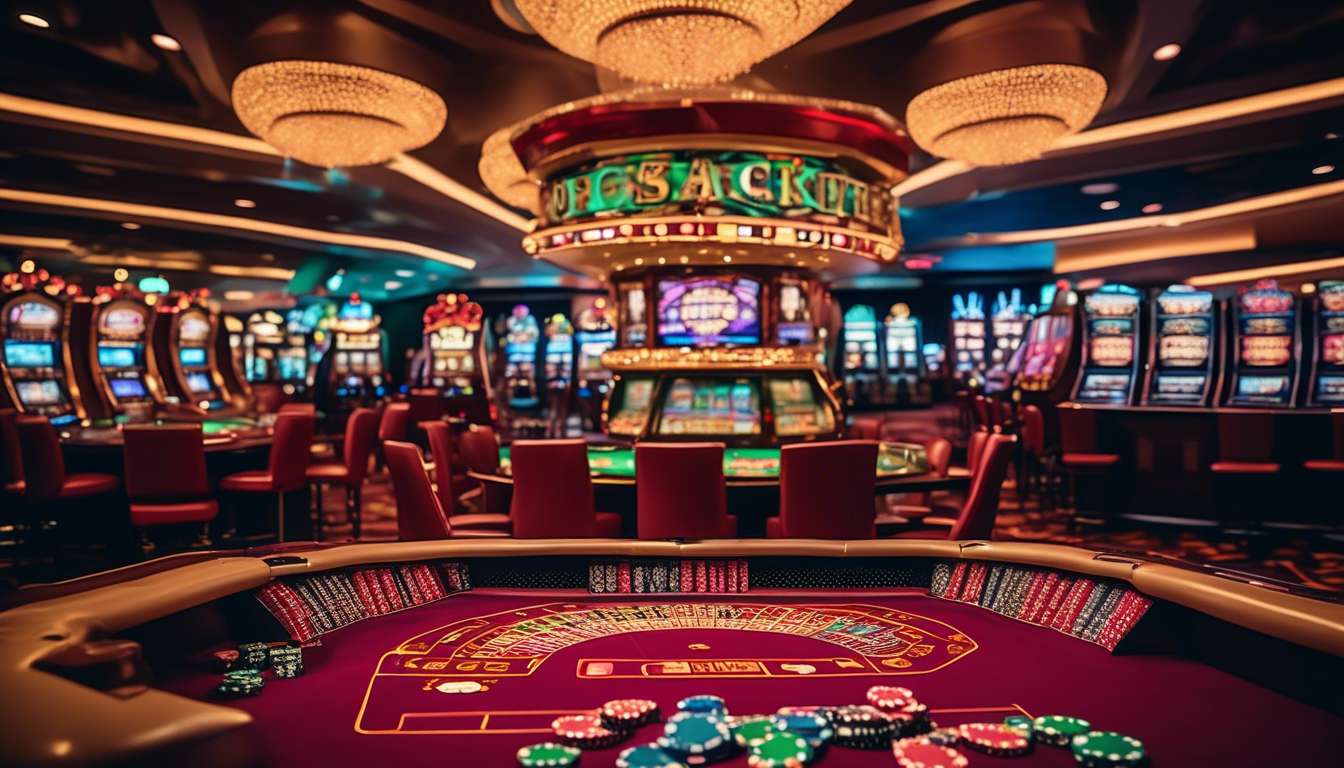
Casinos are designed to create an environment where risk-taking feels exhilarating. The architecture, lighting, and soundscapes are meticulously crafted to stimulate excitement and suspense, encouraging patrons to engage in riskier behaviors. This carefully curated atmosphere can lead individuals to take greater risks than they might in less stimulating contexts.
Moreover, the psychology behind gambling is complex. Many gamblers believe in luck, chance, and patterns, often overlooking the mathematical realities of odds. This belief system cultivates a cultural narrative where taking risks is not only accepted but celebrated, shaping societal attitudes towards risk management and financial decision-making.
Risk and Reward: Social Narratives and Personal Identity
Casinos have become storytelling hubs, where the tales of winners and losers unfold in real-time. These narratives shape cultural perceptions of success and failure, often glamorizing the stories of big winners while downplaying the risks involved. This narrative reinforcement can lead to a skewed understanding of gambling, where the potential rewards overshadow the inherent risks.
For many individuals, the identity they construct around gambling influences their self-perception and social interactions. Winning becomes a source of personal pride, while losing can result in shame or social stigma. This duality can create a complex relationship with risk, where the desire for social acceptance and the thrill of the gamble lead individuals to push boundaries.
Impact of Technology on Gambling Perceptions
The rise of online gambling platforms and mobile gaming has significantly shifted the landscape of risk and reward. Technology has made gambling more accessible than ever, allowing players to engage in games of chance from the comfort of their homes. This convenience alters how individuals perceive risk; the lines between leisure and financial commitment can blur, leading to potential compulsive behaviors.
Furthermore, technology has introduced new forms of gambling, such as virtual casinos and esports betting. These developments not only reshape traditional perceptions of gambling but also challenge cultural norms regarding risk. As society adapts to these changes, the conversation around responsible gambling becomes increasingly important, emphasizing the need for awareness of both the risks and rewards involved.
Conclusion: The Role of Casinos in Contemporary Culture
Casinos continue to be significant cultural institutions that shape how we understand risk and reward. Through their designs, narratives, and evolving technologies, they influence not only individual behaviors but also societal norms surrounding gambling. As the industry grows, so too does the responsibility to foster a culture that promotes informed decision-making and awareness of the potential consequences of risk-taking.
Understanding the cultural implications of gambling is crucial for both players and society at large. By examining how casinos affect our perceptions of risk and reward, we can better navigate the complexities of gambling in modern culture, ensuring that the thrill remains enjoyable and responsible.